Eihei-ji temple
Click on the pictures for a slideshow.
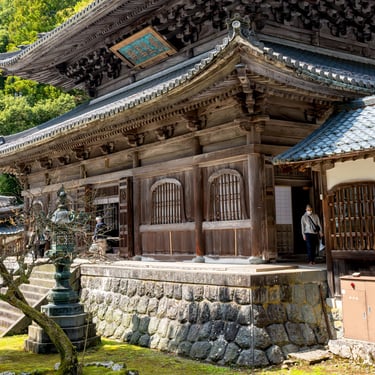
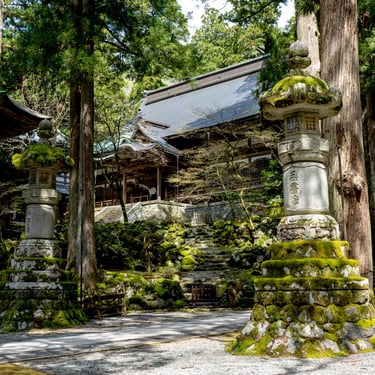
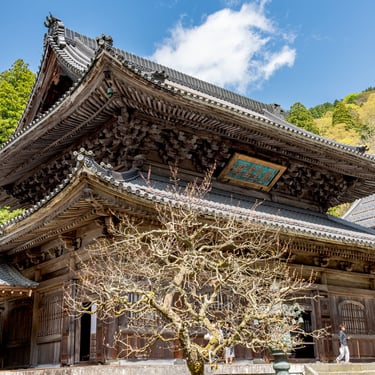
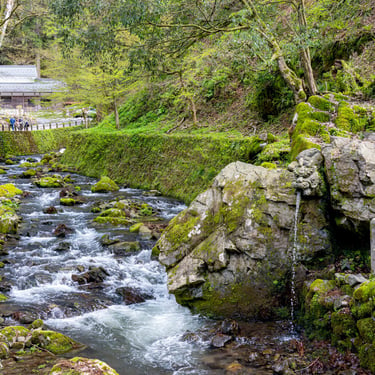
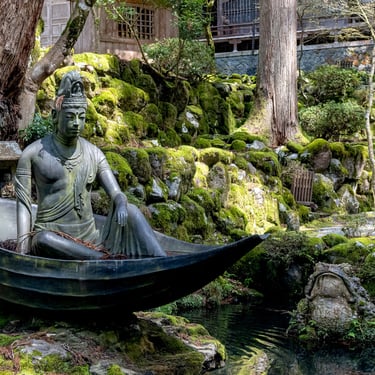
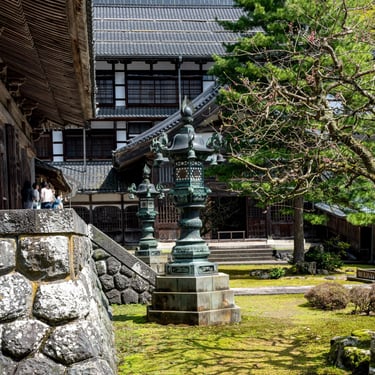
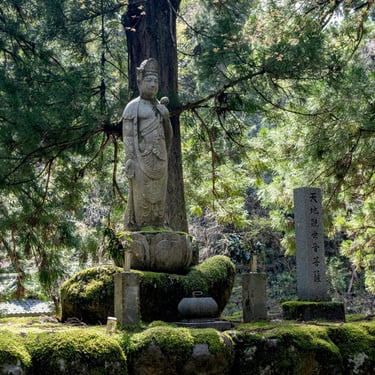
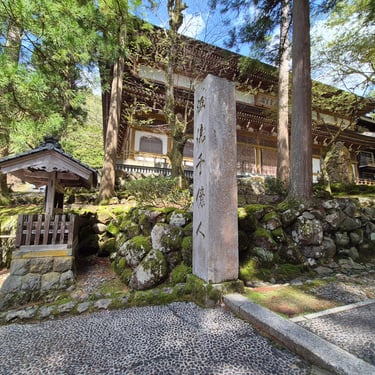
Eihei-ji, known as “the Temple of Eternal Peace,” left a strong impression on us. Upon entering, we had to remove our shoes and wear provided slippers—identical in size, with no distinction between left or right. It was quite remarkable how we managed to walk up and down so many stairs and through multiple halls in them. The floors were immaculately clean, and the polished timber had an almost mirror-like shine.
The layout of the temple felt familiar to us, reminiscent of Buddhist temples we had visited in China. However, the atmosphere was very different. In China, temple grounds are often bustling with people engaged in prayers, incense offerings, and rituals. Here in Japan, the temples felt much quieter. From what we’ve seen so far, prayer rituals seem to take place more often at Shinto shrines.
Driving to Kanazawa
Click on the pictures for a slideshow.
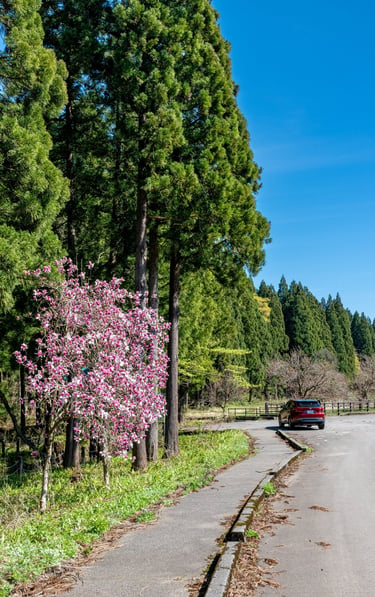
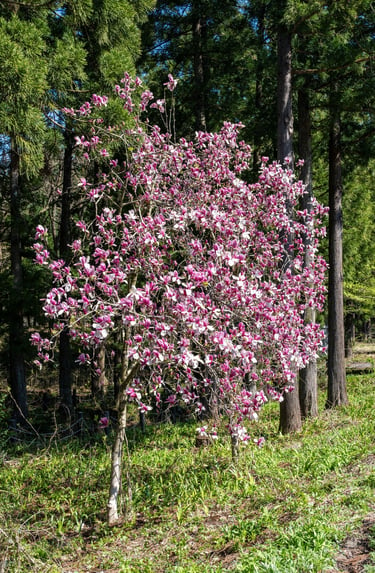
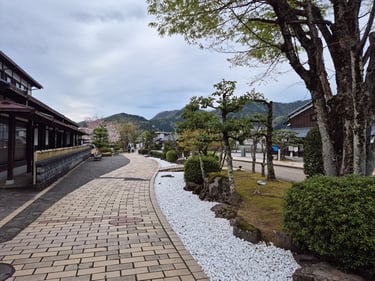
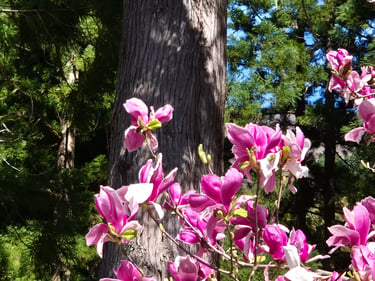
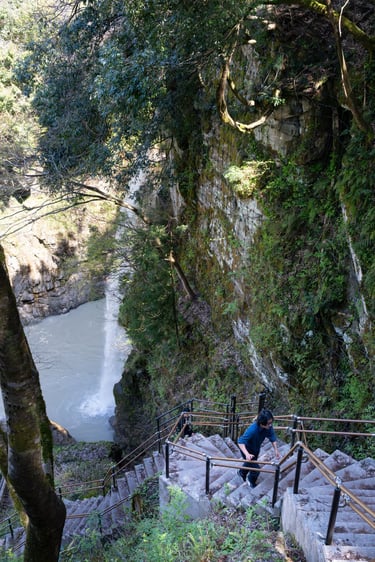
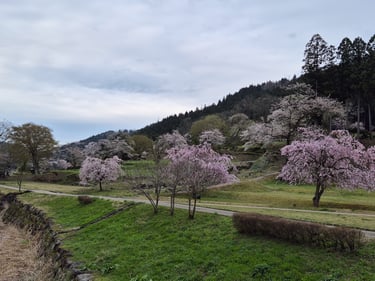

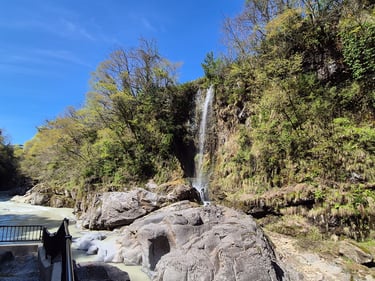
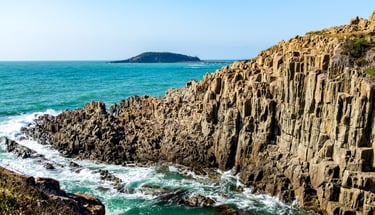
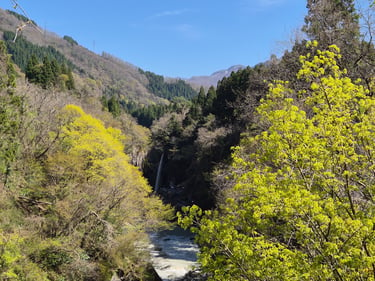
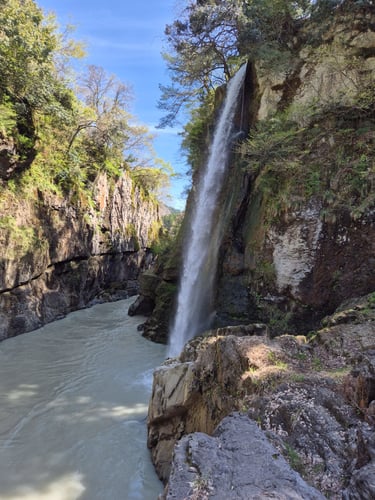
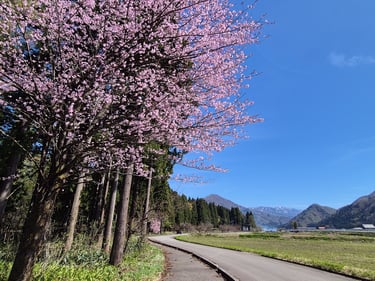
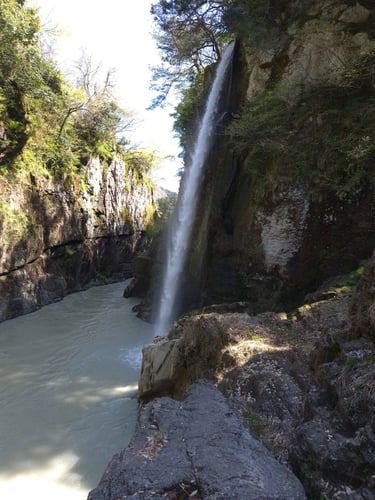
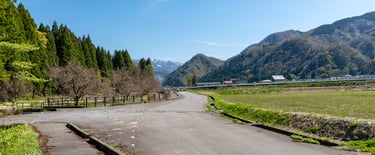
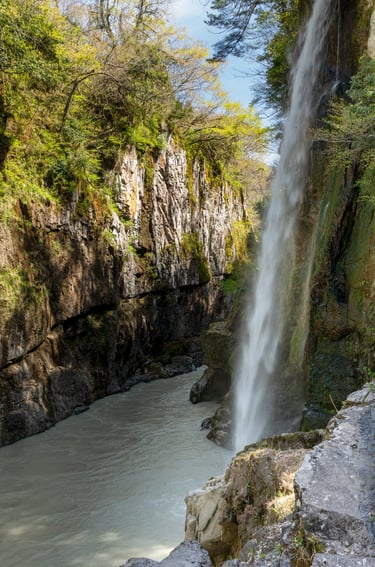
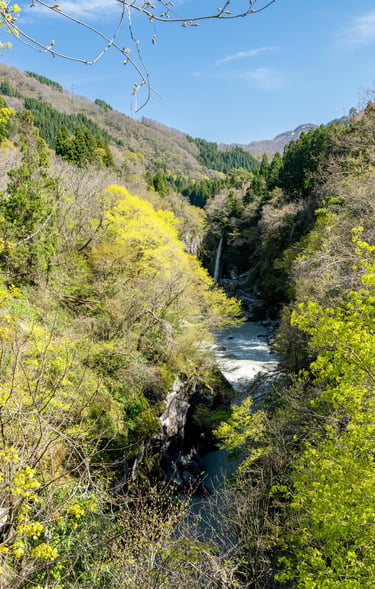
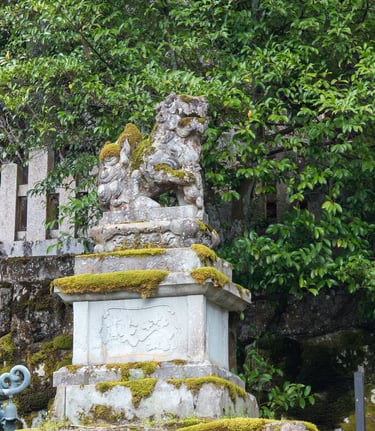
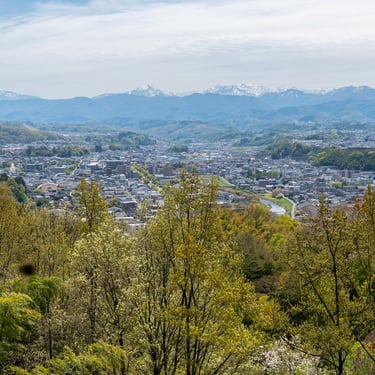
Driving through the Japanese Alps, a few sights along the way.
Kenrokuen Garden
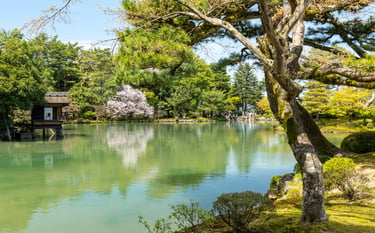
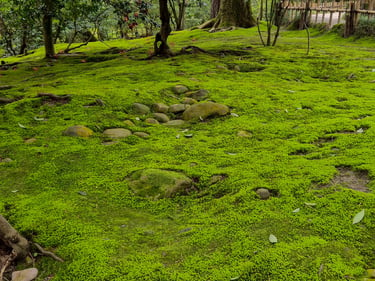
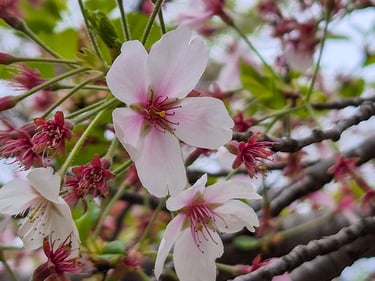
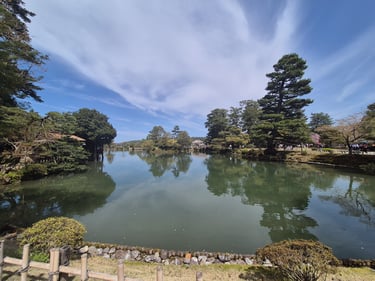
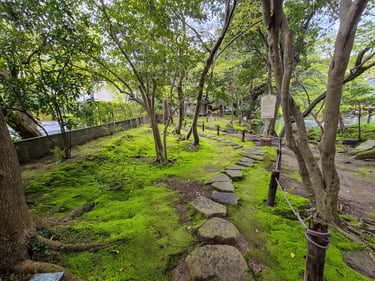
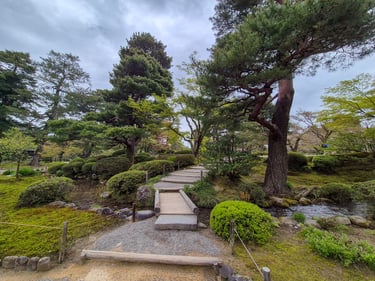
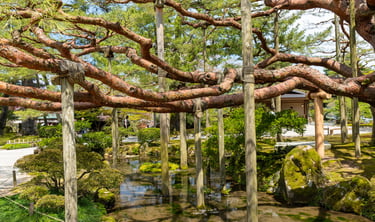
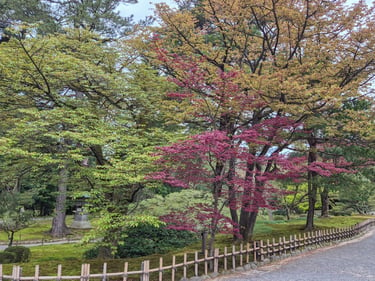
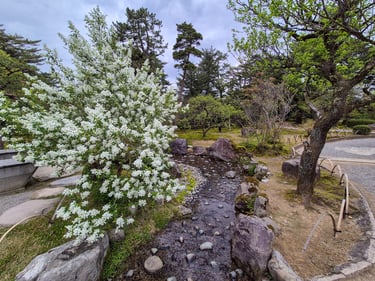
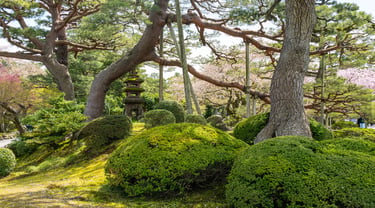
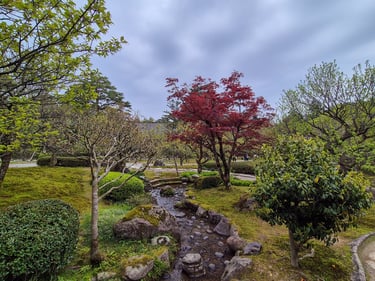
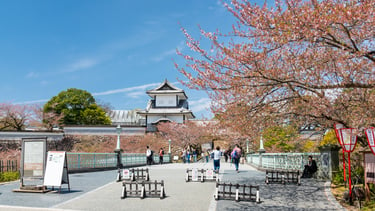
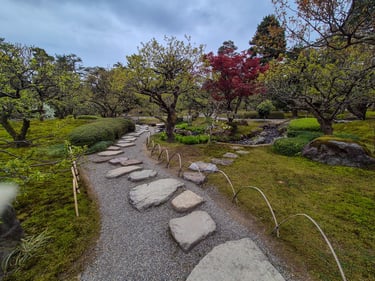
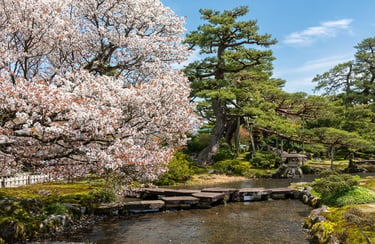
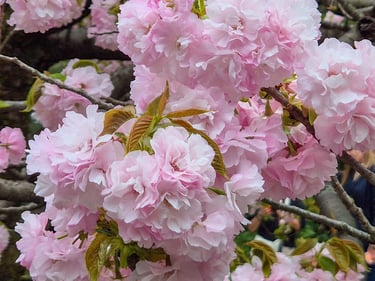
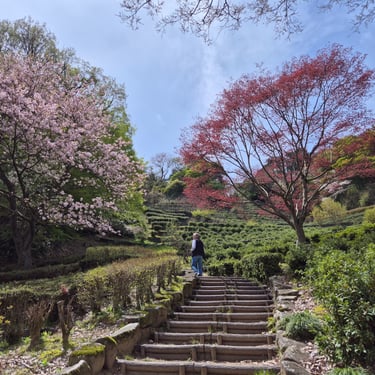
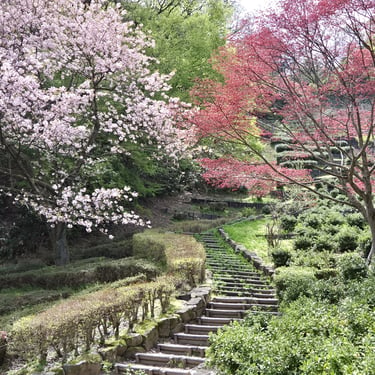
When we visited Kenrokuen, I expected that most of the cherry blossoms would already be gone. There were still some beautiful trees in bloom, along with early azaleas and rhododendrons. As one season of flowers fades, another seems to take its place. It feels like this garden would be beautiful at any time of the year.
I was also very impressed by the castle walls—massive and carefully constructed. It’s easy to imagine how well they must have protected those living within.
Kanazawa and Suzuki museum
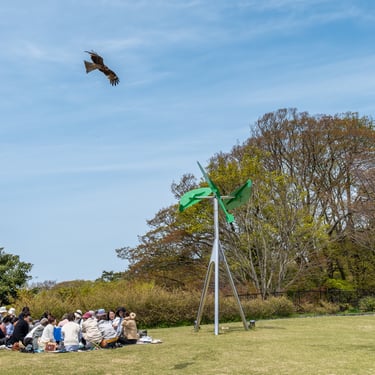
One day we drove to the hills around Kanazawa. We even encountered some wildlife. A small eagle hovering above a groupof Japanese having a picknick. We saw an animal we never heard of; a Japanese Serrow.
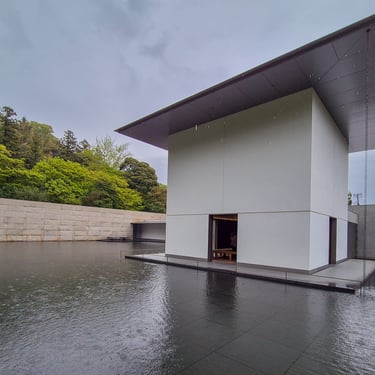
Travel always brings unexpected surprises. By chance, we ended up visiting the D.T. Suzuki Museum. I had assumed it might be related to the founder of the Suzuki car brand—but it turned out to be something entirely different. This small and somewhat unusual museum is a real treasure, dedicated to the Buddhist philosopher Daisetz Teitaro Suzuki.
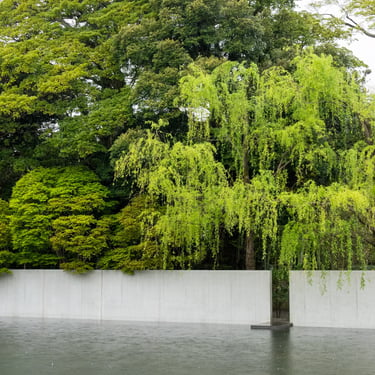
The Suzuki museum is designed as a contemplative space where visitors can engage with Suzuki’s philosophy. It invites quiet reflection, allowing his ideas to settle and unfold. Outside, a garden and pond create a calm setting, where a single bubble forms gentle ripples across the water—echoing the circular patterns found in Zen gravel gardens.